

 Prev
Prev
Medically reviewed by David Nazarian, MD — Board Certified in Internal Medicine and Medical Director of IV Vitamin Therapy.
What is vitamin C?
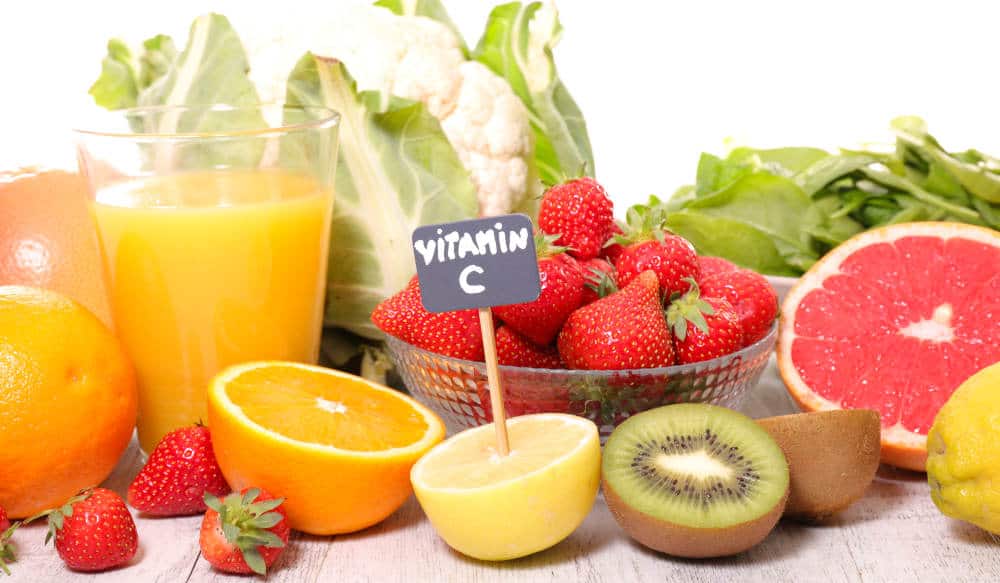
Vitamin C is a water-soluble vitamin mainly found in fruits and vegetables. Our bodies need vitamin C for growth and development and immune system function. It helps our bodies heal wounds, keep our bones and teeth strong, and fight off infection.
Benefits of IV vitamin C therapy
Vitamin C is probably best known for its powerful antioxidant properties; it fights harmful free radicals that can damage cells if allowed to accumulate. In addition, vitamin C helps in iron absorption, wound healing, and collagen production.
Vitamin C supplements are often taken for:
- Support of normal immune function when vitamin C deficiency or increased clinical need is present
- Antioxidant effects
- Correction of vitamin C deficiency and support of normal collagen synthesis and iron absorption
- Anti-inflammatory benefits
- Improved eye and skin health
Intravenous vitamin C bypasses gastrointestinal absorption and can produce substantially higher blood concentrations than oral vitamin C. Whether IV administration is clinically beneficial depends on the indication, dose, medical history, and treatment goal.
IV vitamin C benefits vs. oral supplements
Oral vitamin C is effective for meeting ordinary nutritional needs and treating many cases of deficiency. IV vitamin C produces different pharmacokinetics and can achieve substantially higher blood concentrations, but higher concentration does not by itself establish greater clinical benefit for a particular condition.
On the other hand, an IV vitamin drip can deliver necessary micronutrients directly into the bloodstream. IV therapy also allows much higher doses of vitamin C to be given more comfortably.
High-dose IV vitamin C should be selected for a specific clinical rationale after medical screening rather than as a convenience substitute for food or routine oral supplementation.

What is vitamin C good for?
Vitamin C is essential for normal antioxidant function, collagen synthesis, wound healing, and iron absorption. IV vitamin C may be considered in selected clinical situations, but the expected benefit depends on the indication, dose, laboratory findings, medical history, and treatment goal.
If you’re currently undergoing treatment for a medical condition, please consult with your healthcare provider before beginning any vitamin supplementation.
High-dose vitamin C and cancer: evidence and limitations
High-dose IV vitamin C has been studied in oncology settings, but current evidence does not establish it as a treatment that prevents or cures cancer. Research has examined preventing some cancers. Studies have shown improved quality of life among cancer patients who receive vitamin C supplements.
Other studies have shown that high dose vitamin C can minimize the toxic effects of chemotherapy on the body and improve patients’ outcomes. But it’s not without side effects, so discuss with your oncologist if IV vitamin C for cancer is right for you.
Antioxidant effects of IV vitamin C
Free radicals cause oxidative stress and, in large quantities, can cause cell damage. Vitamin C is often given to healthy patients as well as ill ones for its antioxidant benefits. As an antioxidant, vitamin C neutralizes free radicals, protecting your cells from harm.
Depending on the clinical assessment, an infusion may include other nutrients such as glutathione, selenium, or taurine. These add-ons should be selected for an individualized clinical rationale rather than a generalized “detox” promise.
Vitamin C for collagen production
Vitamin C is required for normal collagen synthesis. That physiologic role does not establish high-dose IV vitamin C as an anti-aging treatment or guarantee younger-looking skin in patients who are not vitamin C deficient.
For clearer, younger-looking skin, your vitamin C infusion may also include biotin (vitamin B7), glutathione, and the amino acid lysine.
Peak performance vitamin C
Vitamin C participates in normal collagen synthesis and antioxidant physiology, but high-dose IV vitamin C should not be marketed as a proven post-workout recovery, cortisol-lowering, performance-enhancing, or fat-burning treatment. Hydration or correction of a documented nutrient deficiency may be considered separately when clinically appropriate.
For athletes, hydration and correction of a documented nutrient deficiency may support normal physiologic recovery. IV vitamin C should not be presented as a proven fat-burning, weight-loss, or performance-enhancing treatment.
Why Trust IV Vitamin Therapy
IV Vitamin Therapy provides physician-supervised high-dose vitamin C IV therapy in Beverly Hills and Los Angeles. Before high-dose treatment, the clinician reviews the indication, medical history, medications, kidney-related risks, and laboratory testing when appropriate. High-dose vitamin C should not be promised to provide quick relief from migraine, jet lag, chronic fatigue, or other nonspecific symptoms. Infusion time varies with dose and treatment plan.
Patients can generally sit, read, or work during an infusion, but clinical benefit should not be described as an immediate cellular effect. Mobile IV service may be available for selected patients when clinically appropriate; high-dose treatment requirements, monitoring needs, availability, and any travel-related fees should be confirmed when scheduling.
Our Beverly Hills medical practice provides physician-supervised vitamin C IV therapy for patients in Los Angeles and surrounding areas. Treatment is individualized according to medical history, medications, laboratory findings when appropriate, dose, and clinical goals.
Frequently Asked Questions (FAQ) — Vitamin C IV Therapy
1. What is Vitamin C IV Therapy?
Vitamin C IV therapy delivers high doses of vitamin C directly into the bloodstream through an intravenous drip. Intravenous administration bypasses gastrointestinal absorption and can achieve higher blood concentrations than oral vitamin C, but higher concentrations do not guarantee faster or greater clinical benefit.
2. How long does a Vitamin C IV infusion take?
Typically, a session lasts between 20 to 60 minutes, depending on the dosage and any additional nutrients included in your infusion.
3. How soon will I notice results?
There is no reliable universal timeframe for feeling a benefit from IV vitamin C. Any response depends on why it is being given, the patient’s baseline status, dose, and underlying health conditions.
4. How often should I receive Vitamin C IV therapy?
There is no universal infusion schedule. Frequency and dose should be determined after medical evaluation based on the indication, laboratory findings when appropriate, kidney function, medications, tolerance, and treatment goals. High-dose IV vitamin C should not be scheduled as a routine anti-aging or immune-boosting treatment without an individualized clinical rationale.
5. Is Vitamin C IV therapy safe?
IV vitamin C can be appropriate for selected patients, but it is not risk-free. Potential concerns include infusion reactions and, at higher doses, risks that can be important in patients with kidney disease, kidney-stone history, iron-overload disorders, or G6PD deficiency. Medical screening and individualized dosing are important.
6. Can Vitamin C IV therapy replace my oral vitamins?
IV administration can achieve higher blood concentrations, but it should not replace a balanced diet or medically indicated oral supplementation. Whether IV treatment is appropriate depends on the clinical indication.
7. Who should avoid Vitamin C IV therapy?
If you have certain kidney conditions, a history of kidney stones, or specific allergies, consult your healthcare provider before treatment. Our doctors review your medical history carefully before prescribing therapy.
8. Can I customize my Vitamin C infusion?
Additional nutrients such as glutathione, magnesium, or B-complex vitamins may be considered when clinically appropriate. Add-ons should be selected for an individualized medical rationale rather than generalized detoxification, energy, or wellness claims.
9. Will I feel any pain during the IV?
Most patients feel only a quick pinch when the IV catheter is inserted. The infusion itself is painless and relaxing.
10. Do you offer mobile Vitamin C IV therapy?
Absolutely! Our concierge service brings professional IV therapy to your home or office anywhere in the greater Los Angeles and Beverly Hills area.
IV vitamin C therapy near me
Our office is conveniently located in Beverly Hills:
IV Vitamin Therapy
9301 Wilshire Blvd Suite 405AA
Beverly Hills, CA 90210
High-Dose Vitamin C IV: Safety and Medical Screening
High-dose IV vitamin C requires medical screening because pharmacologic doses can create risks that do not apply to ordinary dietary vitamin C. Depending on the planned dose and clinical context, evaluation may include kidney function, medication review, and screening for G6PD deficiency. Extra caution is important in patients with kidney disease, a history of kidney stones, iron-overload disorders, heart or fluid-balance problems, or certain cancer treatments.
High-dose IV vitamin C is not FDA-approved as a cancer treatment and should not replace surgery, chemotherapy, radiation therapy, immunotherapy, targeted therapy, or other oncology care recommended by a cancer specialist.
High-Dose Vitamin C IV FAQs
Do I need blood testing before high-dose vitamin C?
Testing may be recommended based on the dose and medical history, including evaluation for G6PD deficiency and kidney function.
Can high-dose vitamin C replace cancer treatment?
No. It should not be used as a substitute for standard oncology treatment.
Is high-dose vitamin C appropriate for everyone?
No. Suitability depends on medical history, kidney function, medications, diagnosis, treatment goals, and the planned dose.
Related IV Therapy Services
Explore the Myers’ Cocktail, glutathione IV therapy, and vitamin C injections.
Starting at $175. View IV therapy pricing. Vitamin C pricing varies by dose. Final pricing is confirmed before treatment and may vary based on dose, ingredients, laboratory needs, and clinical evaluation.
Medical content reviewed by David Nazarian, MD
Board Certified in Internal Medicine · Physician-supervised care · Last reviewed September 30, 2026
Book now at +1-877-760-3564
Busy? We’ll come to you and give you your infusions at your home or office via our popular concierge house call service.
We serve the greater Los Angeles area, including Beverly Hills, Bel Air, West Hollywood, Santa Monica, West Los Angeles, Culver City, Hollywood, Venice, Marina del Rey, Malibu, Manhattan Beach, Redondo Beach, Downtown Los Angeles, Encino, Woodland Hills, Sherman Oaks, Calabasas, Burbank, Glendale, Hidden Hills, Agoura Hills, Northridge, North Hollywood, Topanga, Canoga Park, Reseda, Valley Glen, Chatsworth, West Hills, Winnetka, Universal City, Silverlake, Echo Park, and many more.